


Choosing a Montessori learning environment involves more than finding a safe place for your child to spend the day. The early years are filled with opportunities to build language, confidence, independence, social skills, movement, curiosity, concentration, and a positive relationship with learning.
For parents, the important question is not simply what a classroom looks like, but what children actually experience throughout the day. Are they encouraged to make age-appropriate choices? Can they work independently? Do educators observe their individual development? Are there meaningful opportunities to communicate, move, explore, concentrate, and participate in a community?
At Happy Flower Montessori Academy, we believe families should look beyond supervision and consider how an early learning environment supports the development of the whole child.
Children deserve an environment created around their developmental needs.
What will my child actually experience during all those hours away from home?
Children spend a significant part of their early lives in educational and childcare environments. Those hours can become opportunities to develop language, confidence, social skills, movement, independence, curiosity, and positive attitudes toward learning.
At Happy Flower Montessori Academy, we believe families should expect more than supervision. Children deserve an environment created around their developmental needs.
Look Beyond the Classroom Decorations
A beautiful classroom may attract attention, but parents should look deeper. A thoughtfully prepared Montessori learning environment should make it possible for children to access appropriate materials, make choices, develop independence, and concentrate on meaningful activity.
Ask what children actually do throughout the day.
Are they constantly entertained, or do they have opportunities to initiate meaningful activity?
- Are materials accessible to them?
- Can they make age-appropriate choices?
- Are they developing independence?
- Do educators observe children individually?
- Are children given enough time to concentrate?
- A Montessori classroom is intentionally prepared to answer these developmental needs.
- The physical environment itself becomes part of the educational experience.
Ask How Independence Is Encouraged
One of the greatest gifts adults can give children is the confidence to do appropriate things for themselves.
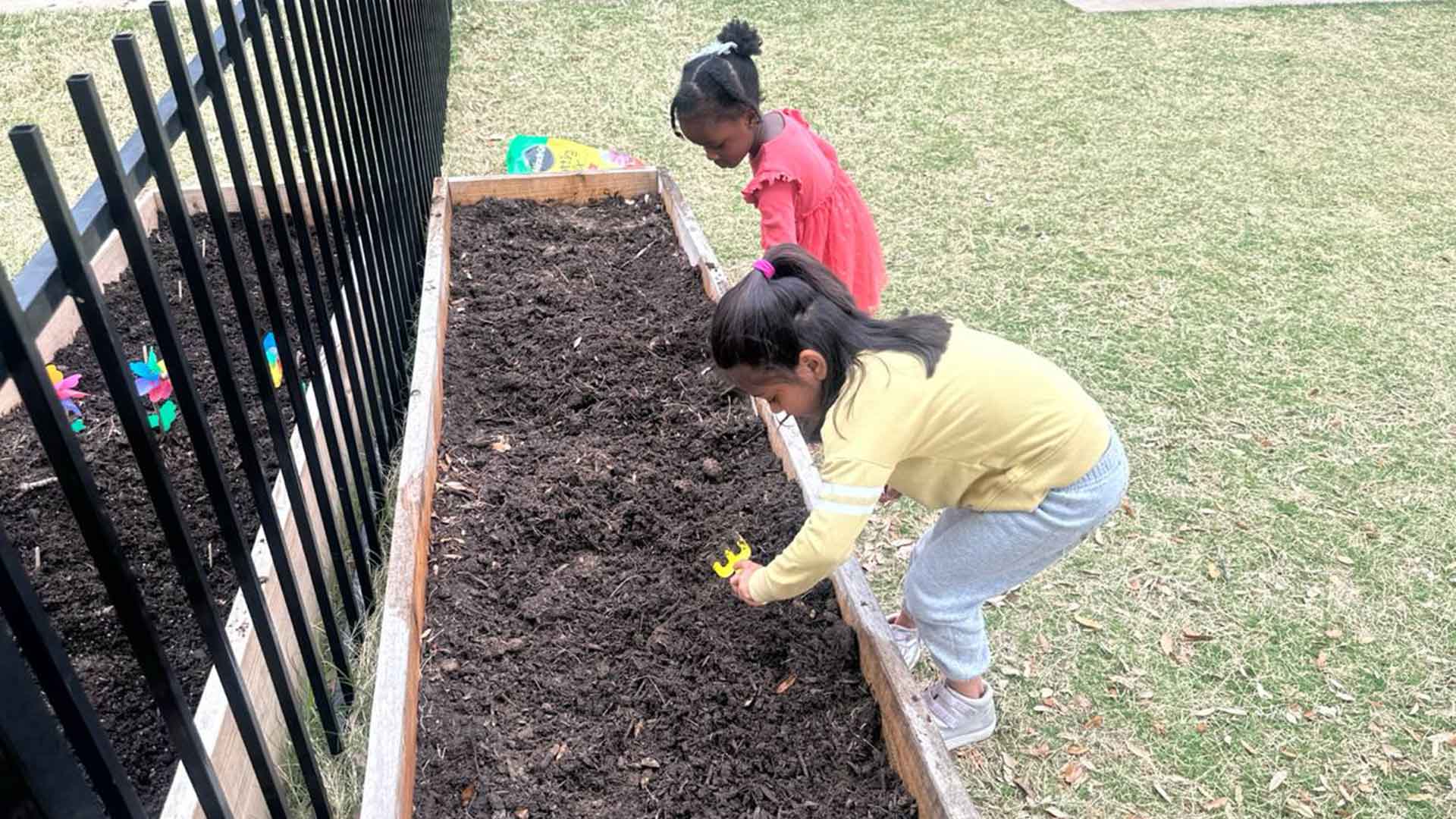
Montessori practical life experiences help young children develop exactly this ability. Within a Montessori learning environment, everyday practical experiences give children opportunities to strengthen coordination, concentration, responsibility, and confidence through purposeful activity.
Everyday tasks can support coordination, concentration, sequencing, responsibility, and self-confidence.
A child learning to care for materials or complete a simple routine is not merely performing a task. They are developing an understanding that they can influence and participate in their environment.
That sense of capability can gradually become part of the child’s identity.
Consider the Role of the Educator
An effective early childhood educator does more than manage a room full of children.
Observation matters.
Timing matters.
Understanding development matters.
Montessori educators guide rather than dominate the learning process. In a Montessori learning environment, careful observation helps educators recognize children’s readiness and introduce appropriate experiences without unnecessarily directing every moment of learning.
They observe children’s readiness, introduce appropriate activities, and then allow space for children to work, explore, repeat, and discover.
This relationship helps preserve children’s natural curiosity while providing the structure necessary for purposeful development.
Social Development Should Be Part of Education
Parents understandably pay attention to academic preparation, but childhood development also involves learning how to live and work with other people.
How does a child ask for something?
What happens when another child is using a material they want?
- How do they wait?
- How do they help?
- How do they respond to differences?
- How do they become part of a community?
Montessori Grace and Courtesy experiences help children practice respect, patience, communication, kindness, and peaceful interaction.
Mixed-age classrooms can further strengthen this environment by creating natural opportunities for peer observation, mentorship, and leadership. A strong Montessori learning environment therefore supports not only individual development but also children’s ability to communicate, cooperate, help others, and participate respectfully in a community.
Language Should Be Experienced Naturally
For families interested in bilingual development, early childhood provides valuable opportunities for language exposure.
At Happy Flower Montessori Academy, our bilingual learning environment incorporates English and Spanish experiences into children’s educational journey.
Language becomes connected with real interactions, cultural exploration, classroom experiences, songs, conversations, and meaningful activities.
This can help children see communication as something living and useful rather than simply another academic subject.
Don’t Forget Movement and Outdoor Learning
Children were not designed to remain still all day.
Physical movement supports children’s overall development, and outdoor experiences can encourage curiosity, observation, coordination, social interaction, and connection with nature.
A complete early childhood environment should recognize that cognitive, physical, emotional, and social development are connected.
Children need opportunities to think.
They also need opportunities to move, explore, create, communicate, and experience the world around them.
Observe Before You Decide
Perhaps the most useful thing a parent can do when evaluating a Montessori school is to see the environment personally.
Watch how children move through the classroom.
Notice whether they appear engaged.
Observe how educators interact with them.
Look at how children treat materials and one another.
Watch an older child help a younger classmate.
Notice concentration when a child finds work that genuinely captures their interest.
These small observations often tell parents more than pages of promotional material ever could.
At Happy Flower Montessori Academy, we invite families in Plano and McKinney to experience what makes a thoughtfully prepared Montessori learning environment different.
Because choosing early education is not simply about finding somewhere for your child to spend the day.
It is about choosing the environment in which some of their earliest ideas about learning, independence, relationships, and themselves will begin to form.
Choose more than childcare. Choose an environment designed for growth.
——-
Plano location & contact:
📍 913 Lexington Dr., Plano, TX 75075
🌐https://www.happyflowermontessori.com/
—-
McKinney location & contact:
📍 3801 Alma Rd., McKinney, TX 75070
🌐https://www.hfmontessorimckinney.org/
—-
📞 +1 (682) 351 9492
——-
Leave a Reply